Streamline Your UGC Proposals with a Minimalist Template
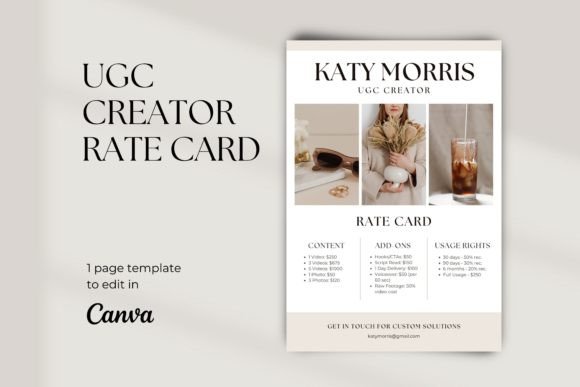
For any user-generated content creator, the transition from casual partnerships to professional collaborations often hinges on one critical document: the rate card. While spreadsheets and hastily typed emails can work, they rarely communicate the level of professionalism that brands expect. A well-structured UGC Creator Rate Card Template acts as a bridge between your creative output and the business side of influencer marketing. It is not just a price list; it is a visual representation of your brand identity. When you send a proposal that looks polished and intentional, you immediately elevate your perceived value. This specific template, available as a Canva template, focuses on a neutral, minimalist aesthetic. This design choice is strategic. It ensures that the content—your specific services and pricing—remains the focal point, preventing visual clutter from distracting a potential brand partner.
The Power of Minimalist Design in Brand Proposals
In the world of modern typography and graphic design, minimalism is often misunderstood as "boring" or "lacking effort." However, creating a truly effective minimalist layout requires significant restraint and a keen eye for visual hierarchy. The UGC Creator Rate Card Template utilizes a clean grid structure, ample white space, and a neutral color palette. This approach offers several distinct advantages for content creators.
First, it enhances readability. When a brand manager opens your PDF, they shouldn't have to hunt for your TikTok video rates. The layout guides the eye naturally from your introduction to your specific deliverables. Second, a minimalist brand identity signals confidence. It suggests that your work speaks for itself and that you don't need flashy graphics to justify your pricing. This style works exceptionally well across various industries, from beauty and fashion to tech and lifestyle. It functions much like a sans serif font in typography—clean, functional, and modern—ensuring that your message is understood without distraction. Whether you are a graphic designer packaging your services or a small business owner looking to hire creators, this visual language communicates efficiency and professionalism.
Customizing Your Template for Maximum Impact
One of the primary benefits of using a premade UGC Rate Card template is the ability to adapt it to your unique style without starting from scratch. The instructions are straightforward: you need a free Canva account. This democratization of design tools means you do not need to be a professional typographer to create a professional document. The process involves a simple "drag and drop" interface.
However, to truly make this template your own, consider how you approach the visual elements. While the template provides a neutral foundation, you can introduce your personal brand colors or change the typography to match your existing assets. If your brand identity is warm and approachable, you might swap the neutral tones for soft pastels. If you are a tech-focused creator, high-contrast black and white might be more appropriate. The template allows you to edit photos, so including a high-quality headshot or a collage of your best work is essential. This visual proof adds E-E-A-T (Experience, Expertise, Authoritativeness, and Trustworthiness) to your proposal. By presenting your services in a structured, visually pleasing manner, you are essentially treating your UGC work as a serious commercial endeavor, which aligns with the expectations of serious brand partners.
Structuring Your Services for Clarity
The effectiveness of a rate card depends heavily on how information is organized. A common mistake among creators is bundling services together or using vague descriptions. The best practice for this design asset is to break down your offerings into granular categories. For example, instead of simply listing "Instagram Content," specify "Instagram Reel (30-60 seconds)" versus "Instagram Story Set (3 frames)."
This level of detail helps brands budget accurately and reduces the back-and-forth negotiation phase. When utilizing the UGC Creator Rate Card Canva template, use the text fields to create clear headers for each service tier. You might have a section for "Video Content," "Static Imagery," and "Usage Rights." This categorization mimics professional editorial design principles, where content is chunked for easy consumption. It also allows you to highlight your primary revenue drivers. If you specialize in short-form video, make that section visually dominant. If you are a hobbyist turning professional, this structure helps you define exactly what you are selling, moving beyond the ambiguity of "making content" into the specifics of creative services.
The Role of Typography in Your Rate Card
While the template provides a layout, the text within it carries the weight of your message. The choice of typeface within the template is likely a clean sans serif, which is ideal for documents that prioritize information delivery. Sans serif fonts are generally easier to read on screens, which is where most brand managers will view your rate card. However, if you decide to customize the font, prioritize legibility over style.
A highly decorative script font might look beautiful, but it can be difficult to read quickly when scanning for prices. Stick to a premium font that offers a good x-height and clear letterforms. You can create visual hierarchy using font weights (bold vs. regular) and size rather than changing the entire font style. For instance, use a bold weight for the service name and a lighter weight for the description. This ensures that your rate card remains functional. Remember, the goal is to make the decision process easy for the brand. If they have to squint to read your rates, you risk losing their attention. Good typography supports the content; it shouldn't compete with it.
Streamlining Collaborations and Setting Expectations
A professional rate card does more than just list prices; it sets the tone for the working relationship. By using a polished UGC Creator Rate Card Template, you are signaling that you understand business operations. It suggests that you have standard operating procedures, which is a major green flag for brands looking for long-term partners.
Furthermore, this document can serve as a reference point for project scope. When you send this template, you are establishing a baseline. It helps prevent "scope creep," where a brand might ask for additional revisions or usage rights without additional compensation. You can include a small section for "Add-ons" or "Usage Rights" to address these variables upfront. This transparency builds trust. For entrepreneurs and marketers on the brand side, receiving a clear, organized rate sheet makes their job easier when securing budget approval from finance departments. It transforms the conversation from a casual chat into a professional proposal, streamlining the path from initial contact to signed contract.
Ultimately, the goal of this creative font and layout combination is to empower you. It removes the anxiety of designing a document from scratch and allows you to focus on what you do best: creating content. Whether you are a blogger, designer, or publisher, presenting your work with clarity and professionalism is the first step toward sustainable growth in the creator economy.