Mastering the Universal Concept: A Presentation Folder Design Template
Think about the last time you handed a potential client a stack of loose papers. It feels disorganized, a bit frantic, and easily forgotten. Now, imagine handing them a sleek, custom-branded folder containing that same information. The shift in perception is immediate. A well-executed Presentation Folder Design Template is more than just a piece of card stock; it’s a tactile brand experience. It signals professionalism, organization, and attention to detail before the recipient even opens the flap. This isn't just about holding documents; it's about holding attention and building trust from the very first handshake.
The Anatomy of a Universal Design Asset
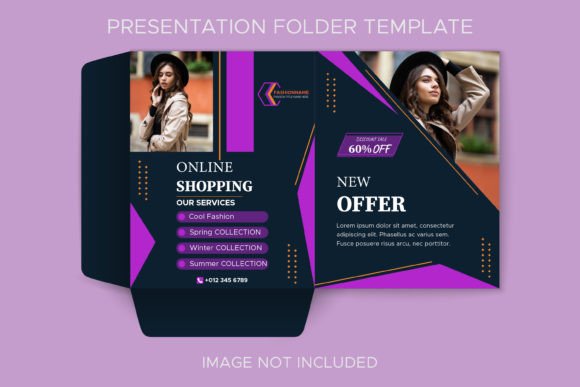
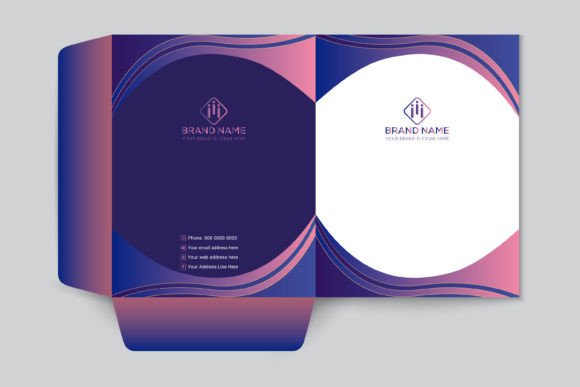
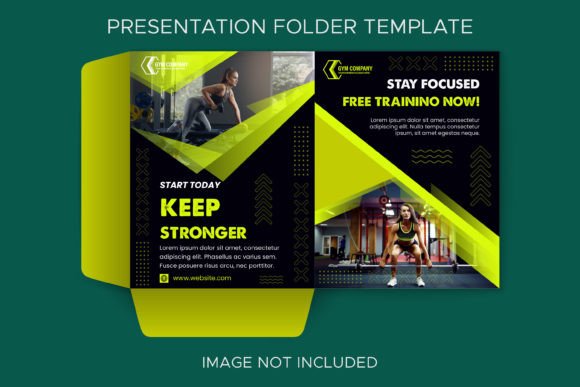
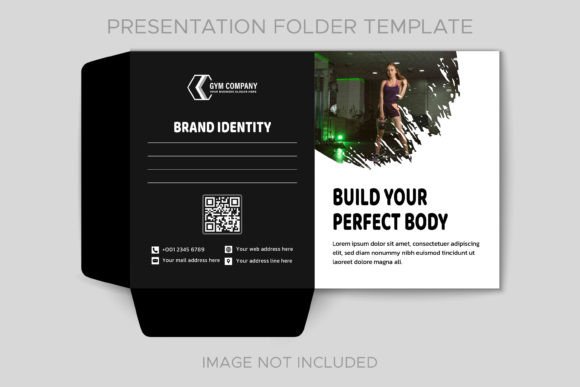
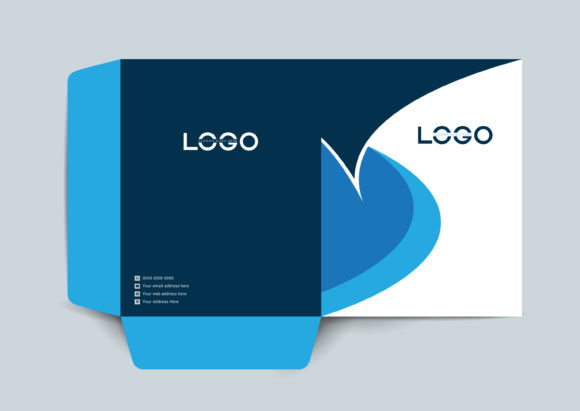
The true power of a modern presentation folder lies in its versatility. The best templates are built on a "universal concept," meaning they provide a clean, adaptable foundation that can be molded to fit a vast array of industries and aesthetics. We're talking about a design cover template that avoids overly specific imagery or trendy gimmicks. Instead, it focuses on a strong layout for text and photos, utilizing a balanced grid system and thoughtful use of white space.
Visually, a premium template like this often embodies a blend of minimalism and boldness. It might feature a dynamic vector background that adds texture without overwhelming the content. The personality is confident and adaptable. For a tech startup, it can look futuristic and clean with sans-serif typography. For a law firm, the same template, when paired with a classic serif font and a muted color palette, conveys stability and tradition. This adaptability is its greatest strength, making it a cornerstone of any serious collection of design assets.
From Print to Pixels: A Template's True Reach
While its primary function is print, the elements within a high-quality presentation folder design template are incredibly valuable across your entire brand ecosystem. The design principles—hierarchy, balance, and clear communication—are universal. The same layout that organizes a sales pitch on a folder can inspire the structure of a digital brochure, a website's "About Us" page, or the visual flow of a slide deck.
Consider the included files. A package with AI and EPS (Adobe Illustrator) Files isn't just for print designers. These vector files are essential for creating scalable brand identity elements. That stylish icon or abstract shape from the folder cover? It can be extracted and used as a standalone graphic for social media graphics, a favicon, or an element in packaging design. The vector background can be repurposed as a texture for a blog header or a subtle pattern for a business card. This transforms a single purchase from a one-off template into a multi-faceted design toolkit.
Choosing and Implementing Your Template with Confidence
So, how do you select the right one? First, ignore the placeholder photos and mockups. They are for demonstration only. Instead, focus on the core structure. Does the layout offer enough space for your typical content? Is the bleed and trim area clearly marked for a print ready file? A well-constructed template will have these technical details sorted, saving you from headaches at the printer.
Next, evaluate the typography. A great template will specify a 100% free popular font, which is a huge advantage. This ensures you can legally use the design for commercial projects without additional licensing fees. Look at the font pairing suggestions. A strong combination—perhaps a bold display font for headlines with a highly readable sans serif font for body copy—is a sign of a thoughtfully designed asset. Test the fonts by replacing the placeholder text with your own to see how your message feels within the design.
Finally, think about your specific project. Are you creating a catalog or booklet? The template's inner pocket design and page layout should accommodate your content flow. For a leaflet or banners, you might only use the cover design as a starting point. The goal is to find a template that serves as a launchpad, not a cage. Its job is to provide a professional framework that you then infuse with your unique brand voice, colors, and imagery. By treating the template as a flexible guide, you leverage the designer's expertise while ensuring the final product is authentically yours.