Elevate Your Brand with a Modern Presentation Folder Design
In the world of business, first impressions are often made long before a handshake. They happen in the quiet moment when a client receives your proposal, a partner opens your welcome packet, or an investor flips through your company overview. The vehicle for these documents matters immensely. A flimsy, generic folder can undermine even the most brilliant content inside. This is where a thoughtfully crafted Presentation Folder Creative Design becomes a critical piece of your brand identity toolkit. It’s not just a container; it’s a tactile introduction to your professionalism and attention to detail.
The Power of Minimalist and Corporate Aesthetics
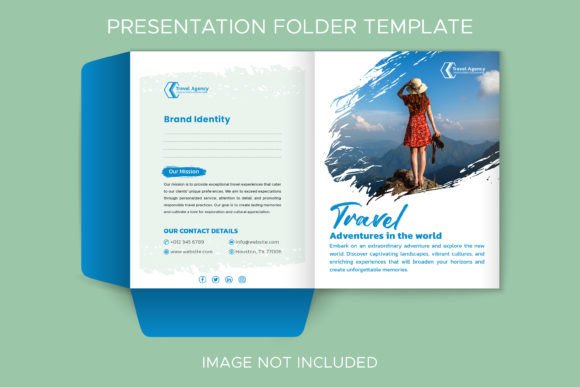
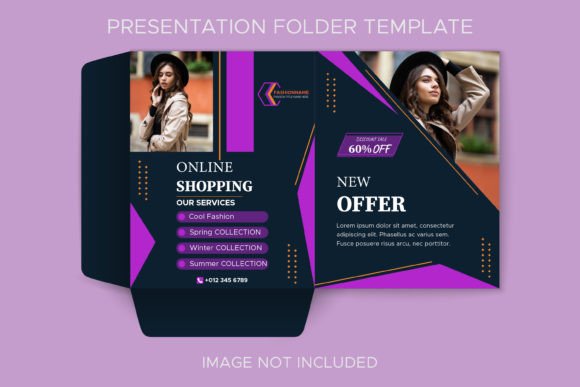
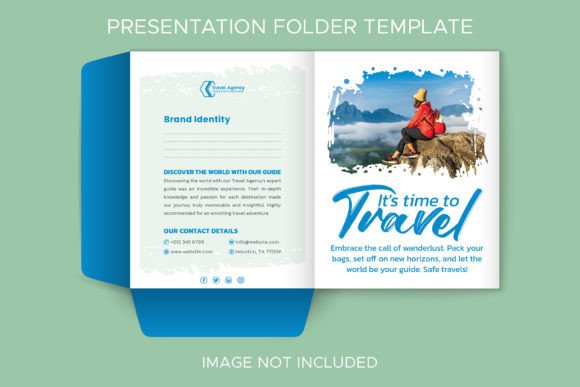
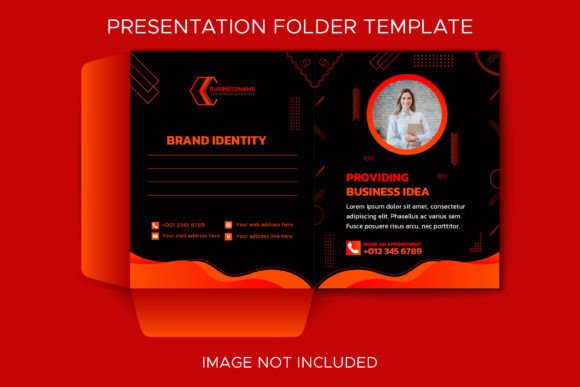
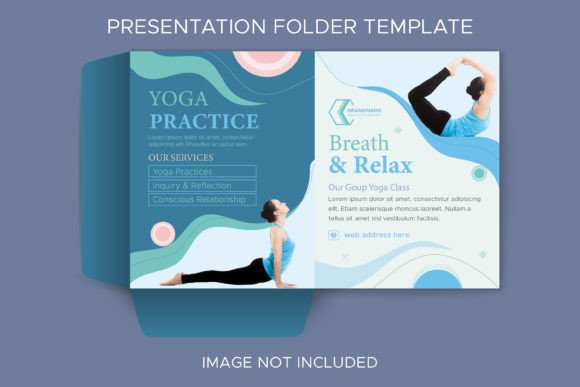
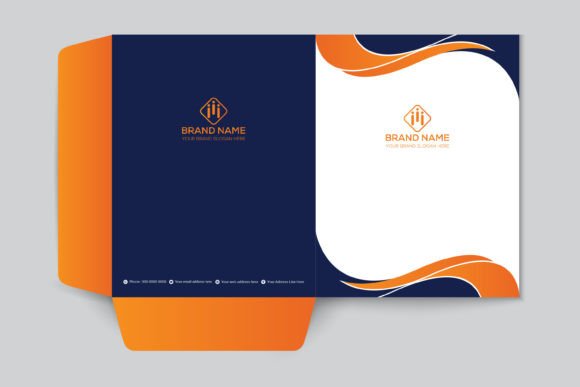
The design template we're discussing embraces a minimalist, corporate modern aesthetic. This isn't about being boring or sterile. It's about strategic clarity. A clean layout with ample white space directs the eye precisely where it needs to go—to your logo, your key message, and the essential information. This approach ensures the folder itself doesn't compete with your content; it complements and elevates it. The personality here is one of confidence, sophistication, and trustworthiness. It communicates that your business values substance and clear communication, which is a powerful message in any industry.
Visually, you can expect a focus on flat design principles. This means bold, uncluttered shapes, a harmonious color palette, and a complete absence of unnecessary ornamental details or faux-3D effects. The result is a timeless piece that feels both contemporary and enduring. It avoids fleeting trends, ensuring your investment in these design assets remains relevant for years. The style is versatile enough to feel at home in a law firm's partner meeting, a tech startup's investor pitch, or a creative agency's project handoff.
Practical Applications Across Industries
The true strength of a well-executed presentation folder design lies in its versatility. For entrepreneurs and small business owners, it's the backbone of a professional client onboarding kit. Imagine handing a potential client a folder that houses their customized proposal, case studies, and your terms of service. The cohesive, high-quality presentation subconsciously reinforces the value of your service.
Marketers and brand strategists will find it invaluable for packaging design of sorts—packaging your brand's story and data. It’s perfect for trade show materials, press kits, or comprehensive brand guideline documents. For publishers and content creators, these folders can organize contributor guidelines, media kits, or subscriber welcome materials in a way that feels curated and premium.
Even for personal projects or internal use, the impact is significant. A well-designed folder for internal training materials, a project kickoff, or a personal creative portfolio adds a layer of professionalism that standard binders cannot match. It shows you care about the details, which builds recognition and trust with every interaction.
Design Elements That Make a Difference
This particular template stands out because it’s built for real-world use. The claim that all main elements are 100% editable and customizable is its core promise. This isn't just marketing talk. It means every icon, every line, every shape, and every text block is a separate, editable vector object within the file. You’re not trying to hack a flattened image; you’re working with a true design asset.
The inclusion of a vector icons set is a significant value-add. These aren't just random graphics; they're a cohesive library of symbols you can use to represent services, features, or departments—adding a layer of visual communication to your folder's interior or exterior. Because they're vectors, they scale perfectly without losing quality, whether they're tiny on a spine or prominent on a cover.
Practicality is key. The files are print ready, meaning they include proper bleed, trim marks, and are set in high-resolution formats. You can move directly from customization to sending files to your printer without guesswork. The use of free fonts removes a common barrier, allowing you to implement the design immediately without additional licensing costs. The availability of Adobe Illustrator AI and EPS files ensures compatibility with industry-standard software, giving you full control.
Making It Your Own: A Practical Guide
Adopting a template like this is the start of a process, not the end. To make it truly yours, begin with your brand identity. Pull your exact brand color codes (CMYK for print, RGB for digital previews) and swap them into the template. Replace the placeholder logo with your own vector logo file. Edit the text to reflect your specific copy—this is where your unique value proposition shines.
Next, consider the font pairing. The template uses a free font, but you might want to integrate your brand's primary typeface. A strong font pairing involves contrast—often a clean sans serif font for headings with a highly readable serif or sans serif for body text. Test this pairing within the folder's layout to ensure it maintains the intended hierarchy and readability.
Evaluate the structure for your specific project. Does the template have enough panels? Does the pocket style (if included) suit the materials you'll be inserting? The 100% layered file allows you to easily move, delete, or duplicate elements to better fit your content flow. Think about the visual hierarchy from the moment someone picks it up. The cover should intrigue, the inside flap should inform, and the interior panels should organize your core content logically.
Finally, do a test print. What looks sharp on screen can sometimes feel different in hand. Print a proof on your intended paper stock to check color accuracy, tactile feel, and overall impact. This step ensures the final product makes the good impression it was designed for. By treating this template as a flexible foundation rather than a rigid final product, you harness its full potential to create a powerful, cohesive touchpoint for your brand. It’s a practical step toward building a more memorable and professional presence in every interaction.